Bright-red blood during or after a bowel movement often comes from irritated internal piles, but the same symptom can signal a fissure, bowel inflammation, polyps or another condition. You will learn how to recognise the bleeding pattern, respond safely at home, and identify when an examination is necessary rather than assuming the cause is piles.
Key takeaways
- Bright-red, painless bleeding after stool often comes from internal piles.
- Black stool, heavy bleeding, dizziness, or severe pain needs urgent medical care.
- Do not strain; soften stool with fluids, fibre, and a clinician-approved laxative.
- A clinician may use an examination, anoscopy, or colon evaluation to confirm the cause.
Why Piles Bleed When You Pass Stool
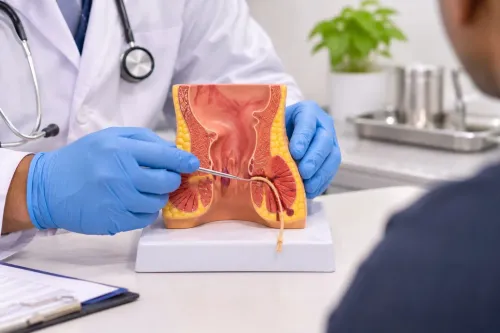
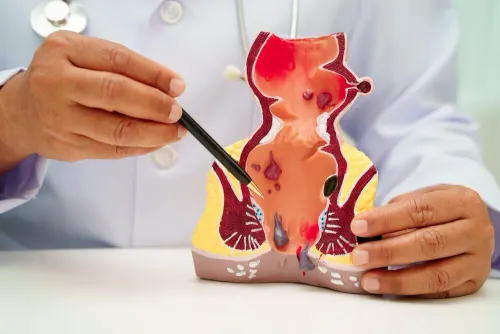
Internal piles are swollen vascular cushions in the lower rectum that bleed when their surface is rubbed or stretched. The usual pattern is painless, bright-red blood during or immediately after passing stool: on toilet paper, coating the stool, or dripping into the toilet bowl. This pattern supports piles but does not prove them.
Piles bleeding after stool becomes more likely when you:
- Pass hard, dry stool that scrapes swollen tissue
- Strain and raise pressure inside the anal veins
- Sit on the toilet for a long time
- Wipe repeatedly or irritate the area after bowel movements
External piles more often cause a tender lump than painless bleeding. A thrombosed external pile can produce sudden, severe pain because a clot has formed inside it.
| Pattern | More likely explanation | What separates it |
|---|---|---|
| Internal piles | Bright-red, usually painless blood during or just after stool | Blood sits on paper, stool surface, or in the bowl |
| Anal fissure | A small tear at the anal opening | Sharp or burning pain during defecation, often continuing afterward |
| Other bowel conditions | Polyps, inflammatory bowel disease, infection, diverticular disease, or colorectal cancer | Bleeding may occur with changed bowel habits, abdominal pain, fever, weight loss, or unexplained tiredness |
Recurrent bleeding, bleeding that continues, or blood with these symptoms needs medical assessment rather than repeated self-treatment.
What Piles Bleeding Looks Like—and What It Can Resemble
Bright-red blood on toilet paper, the stool’s surface, or in the bowl fits internal piles, especially when bleeding is painless and occurs during or just after passing stool. It does not prove piles are responsible.
| Cause | Pattern that points toward it | What makes it different |
|---|---|---|
| Internal piles | Painless, bright-red streaks or drops after stool; occasional prolapse | Blood usually stays on the paper, stool surface, or bowl rather than mixing throughout the stool |
| External piles | A tender lump or soreness at the anal opening; bleeding after rubbing or wiping | A thrombosed external pile causes a sudden, severely painful lump, not typically painless bleeding |
| Anal fissure | Bright-red blood in a small amount | Sharp, tearing, or burning pain during defecation that continues afterward is the key clue |
| Polyps or colorectal cancer | Intermittent bleeding, blood mixed into stool, or no visible blood | A change in bowel habit, unexplained weight loss, persistent abdominal pain, or unusual tiredness increases concern |
| Inflammatory bowel disease or infection | Blood with diarrhoea, mucus, cramps, fever, or urgency | The bowel symptoms extend beyond the act of passing a hard stool |
A bleeding pattern cannot confirm the diagnosis. Recurrent or unexplained bleeding needs an examination, which can include inspection, a digital rectal examination, anoscopy, or colon evaluation when indicated. Black or maroon stool, clots, heavy bleeding, dizziness, fainting, severe abdominal pain, fever, or weakness needs urgent assessment.
When Rectal Bleeding Needs Urgent or Prompt Medical Care
A few streaks of bright-red blood do not prove that piles caused the bleeding. Seek emergency care for heavy or continuous bleeding, large clots, fainting, dizziness, confusion, pale or clammy skin, severe abdominal pain, black or tarry stools, or vomiting blood.
| Situation | What to do | Why it matters |
|---|---|---|
| Heavy, continuous, or recurrent bleeding with weakness | Go to emergency care | You could be losing significant blood |
| Black or tarry stool, maroon stool, or vomiting blood | Go to emergency care | The bleeding may come from higher in the digestive tract |
| A small amount that returns, persists, or increases | Arrange a prompt medical appointment | Ongoing loss can cause anaemia, and piles are not the only cause |
| Any bleeding with weight loss, changed bowel habits, persistent abdominal pain, unusual tiredness, or a family history of bowel cancer or bowel disease | Arrange a prompt medical appointment | These features need diagnostic evaluation, even when the blood is minor |
A one-time small streak still deserves examination if you are older, take blood thinners, are pregnant, or cannot explain it. A clinician may inspect the anus, perform a digital rectal examination, and use anoscopy or colon evaluation when indicated.
If you need a doctor in Chennai to assess piles for bleeding during bowel movements, choose diagnostic examination over self-treating every episode as haemorrhoids.
What to Do Immediately After You Notice Bleeding
Stop pushing when blood appears. Leave the toilet, clean the area gently with lukewarm water, and pat dry rather than rubbing with dry paper or fragranced wipes. Prolonged sitting and repeated wiping can further irritate swollen tissue.
If you are deciding what to do for bleeding piles, use this checklist:
- Do not return to the toilet until you genuinely need to pass stool; avoid straining or holding your breath.
- Keep toilet visits brief. A phone or book encourages the prolonged sitting that increases pressure around the anus.
- Build fibre gradually toward 25–30 grams a day from vegetables, fruit, beans, whole grains, nuts and seeds. Increase it slowly if your current intake is low, or bloating can make bowel movements harder.
- Drink fluids according to your health needs. Ask a clinician for a fluid target if you have kidney, heart or liver disease.
- Walk regularly and respond when you feel the urge to pass stool. Do not use repeated enemas or strong laxatives without advice.
- Use a warm, shallow bath for comfort, but stop if it worsens pain or bleeding. Avoid inserting creams, suppositories or herbal products until the cause is clear.
Fibre and fluids will not stop heavy active bleeding. Arrange a medical review if bleeding recurs, persists, or comes with a change in bowel habit, abdominal pain, weight loss or unusual tiredness. Seek urgent care for continuous or heavy bleeding, clots, black stool, dizziness, fainting, severe pain, fever or vomiting.
How a Clinician Confirms the Cause and Chooses Treatment
Bleeding after stool does not confirm piles. A clinician asks when the blood appears, how much you see, whether pain or a lump is present, and whether bowel habits have changed. Tell them about pregnancy, tiredness, weight loss, abdominal pain, family history, and any anticoagulant or antiplatelet medicine. Do not stop prescribed medicine yourself.
Assessment can include:
- Inspection of the anus for fissures, external piles, clots, skin changes or another visible source
- A digital rectal examination to feel the anal canal and lower rectum
- Anoscopy, using a short lighted instrument to examine internal piles
- Colon evaluation when bleeding persists or remains unexplained, or when age, bowel symptoms, family history or other findings raise concern
At Dr.Dhananjayas Hospitals, distinguishing a fissure from piles before selecting an Ayurvedic or non-surgical approach is clinically important, because sharp ongoing pain points toward a different treatment pathway.
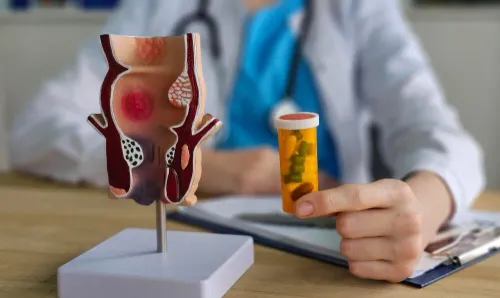
If evaluation confirms persistent internal piles, treatment is matched to bleeding severity, haemoglobin level, constipation, medicines and pregnancy status. Fibre, adequate fluids, stool-softening and shorter toilet sitting address the pressure that keeps bleeding active.
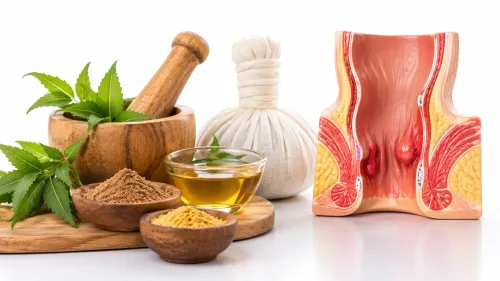
A clinician may add prescription medicines or offer procedures such as rubber-band ligation, injection treatment or infrared coagulation; larger or prolapsing piles can require surgery. Ayurvedic treatment may be considered after this review, but a therapy marketed as bleeding piles treatment in Chennai must not delay investigation of unexplained bleeding.
Related service
PILES PILES Hemorrhoids or Piles as is generally known is a very common disease. |
Frequently asked questions
Why do piles bleed during bowel movements?
Internal piles bleed when passing stool rubs or stretches their swollen surface, especially after straining or passing hard stool.
What does bleeding from piles usually look like?
It is usually painless and bright red, appearing on toilet paper, coating the stool, or dripping into the toilet bowl. This pattern does not prove piles.
When does rectal bleeding need urgent medical care?
Seek urgent care for heavy or persistent bleeding, black or maroon stool, dizziness, fainting, severe abdominal or anal pain, fever, or weakness.
What should you do after noticing bleeding piles?
Avoid straining, drink fluids, increase fibre gradually, keep the area clean, and arrange an examination if bleeding returns or the cause is uncertain.
How does a clinician confirm the cause of rectal bleeding?
The clinician reviews your symptoms and examines the anus and rectum. They may use a digital rectal examination, anoscopy, or further bowel evaluation when needed.
Keywords