Sharp pain during or after a bowel movement with a small amount of bright-red blood often points toward a fissure, but anal pain and bleeding can also come from piles, an abscess, fistula or another condition. By matching your symptoms, symptom duration, bowel habits, health history and daily demands to each treatment, you can decide when home care is reasonable and when an examination is needed.
Key takeaways
- Sharp pain after bowel movements and bright-red blood often fit an anal fissure.
- Use fibre, fluids and warm baths for a mild first fissure without warning signs.
- Persistent, recurrent or severe pain needs examination rather than repeated home treatment.
- Check an Ayurvedic clinic’s diagnosis, treatment plan, credentials and follow-up process.
Do your symptoms fit a fissure or another anal condition?
Sharp or burning pain during a bowel movement, followed by pain lasting for hours, fits an anal fissure more than painless bleeding. Internal anal sphincter spasm prolongs the pain, while a small amount of bright-red blood on toilet paper is typical.
A lateral, multiple, unusually large, painless or slow-healing fissure needs assessment for Crohn’s disease, infection, inflammatory disease or malignancy rather than routine fissure care.
| Condition | Pattern that points to it | What to do |
|---|---|---|
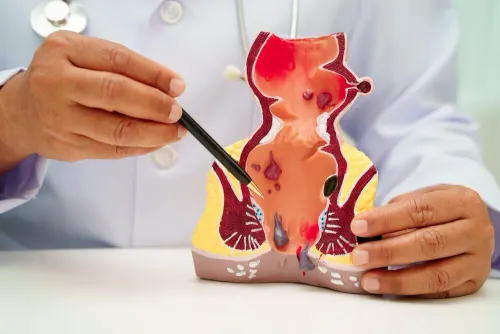
| Anal fissure | Sharp or burning pain during and after defecation; small bright-red smear | Arrange assessment if persistent or recurrent |
| Piles | Bright-red bleeding without significant pain | Confirm the diagnosis before treating |
| Thrombosed haemorrhoid | Sudden, tender lump at the anal edge | Seek assessment, especially if rapidly enlarging |
| Fistula | Recurrent drainage or a persistently wet opening | Arrange medical assessment |
| Abscess | Constant worsening pain, swelling, pus or fever | Seek urgent medical care |
A sentinel skin tag or thickened tissue can indicate a longer-standing fissure. Removing the tag alone does not relax the internal sphincter, so it does not treat the underlying spasm.
Seek urgent care for heavy bleeding, dizziness, black stool, a rapidly enlarging painful lump, fever or pus. Also seek assessment for unexplained weight loss or new anal symptoms with inflammatory bowel disease. Do not self-treat every anal complaint as a fissure; the symptom pattern must support fissure care for symptoms before you choose treatment.
When is home care reasonable for a first fissure?
A first fissure present for less than about six weeks can usually start with home care aimed at making stools soft and easy to pass. Improvement means less pain after bowel movements, less bleeding and easier stool passage—not merely temporary numbness. Seek reassessment if symptoms persist, worsen or keep returning; do not continue self-treatment indefinitely.
- Increase dietary fibre gradually and drink adequate fluids. A sudden fibre increase can cause bloating.
- Avoid straining, and do not sit on the toilet for long periods.
- Take a sitz bath in comfortably warm water for relief. Do not use excessively hot water or add soap, antiseptic, essential oil or another irritant.
- Ask a clinician or pharmacist about a stool softener or laxative if constipation continues. Pregnancy, kidney disease, other medicines and drug interactions require individual guidance, not a generic dose.
| Option | What it does | Important limit |
|---|---|---|
| Stool-softening care | Reduces friction and reopening during bowel movements | Does not replace assessment when symptoms persist |
| Lidocaine cream | Provides short-term local pain relief | Does not relax the sphincter or heal the fissure; prolonged unsupervised use can irritate skin or mask deterioration |
| Stool softener or laxative | Helps when hard stools maintain the fissure | Choose the product and dose with professional advice when pregnancy, kidney disease, medicines or interactions apply |
The practical question is: which fissure treatment is right for me? For a first episode, begin with stool-softening habits and local comfort measures, then judge progress by healing signs rather than pain temporarily hidden by anaesthetic.
How do chronic, recurrent and severe fissures change treatment?
A fissure lasting more than six to eight weeks, or one that repeatedly returns, needs clinical reassessment rather than repeated self-treatment. A sentinel skin tag can signal chronicity, but removing it alone does not relieve internal sphincter spasm or automatically make surgery necessary.
| Fissure treatment option | What it does | Main trade-off |
|---|---|---|
| Glyceryl trinitrate (nitroglycerin) ointment | Relaxes the internal sphincter and supports healing | Headaches are common |
| Diltiazem or nifedipine cream | Relaxes the internal sphincter | Similar healing effectiveness to nitrates, usually fewer headaches |
| Botulinum-toxin injection | Temporarily relaxes the sphincter | Recurrence and repeat treatment are more likely than after successful surgery |
| Lateral internal sphincterotomy | Divides part of the internal sphincter; healing is generally above 90% in suitable patients | Carries a risk of flatus or stool leakage |
A clinician may consider botulinum toxin when topical treatment fails, is unsuitable, or avoiding immediate permanent sphincter division matters. Surgery is not chosen by pain severity alone.
Before sphincterotomy, discuss:
- Your baseline continence
- Previous anal surgery
- Obstetric injury
- Inflammatory bowel disease
- The amount of muscle proposed for division
These details change the continence risk and suitability of surgery. The practical question is not simply which fissure treatment is right for me, but which option fits the fissure’s duration, previous response and your long-term bowel function.
Which personal circumstances should change the treatment decision?
Your daily routine and medical history can determine whether conservative care is safe or whether you need a structured treatment plan. If you can maintain regular fibre, adequate fluids, soft stools and short, unstrained toilet visits, you may have time to try these measures.
Repeated constipation, diarrhoea, shift work, long toilet sitting or frequent travel can keep reopening the wound.
| Situation | Effect on the decision | Main concern |
|---|---|---|
| Regular bowel habits | Conservative care may be practical | Keep stools soft and avoid straining |
| Repeated constipation | Use a structured stool-management plan | Hard stools can split the healing wound |
| Frequent diarrhoea | Find and control the trigger | Loose stools irritate the fissure; do not add laxatives automatically |
| Shift work or travel | Plan fluids, fibre and toilet access | Delayed or prolonged bowel movements can prevent healing |
Pregnancy, recent delivery and breastfeeding shift the emphasis toward fibre, fluids, stool-softening and local relief. Review prescription medicines and procedures individually rather than assuming they are safe.
Before taking any laxative, pain medicine or topical fissure drug, disclose pregnancy, kidney disease, allergies and every current medicine. Before Botox or sphincter surgery, disclose leakage, previous anorectal operations, childbirth-related injury and inflammatory bowel disease. Continence risk matters alongside fissure healing.
Continuous pain, fever, pus or swelling does not fit a routine fissure plan. Seek assessment for an abscess or another condition instead of continuing home treatment.
How can you assess an Ayurvedic fissure clinic before treatment?
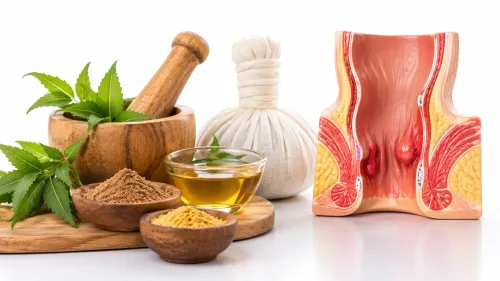
Before choosing Ayurvedic fissure treatment in Chennai, verify what the clinic is actually recommending. Ayurveda has no single standardized fissure protocol: care may involve diet, local treatment or named preparations, but ingredients, safety and evidence for healing a fissure vary.
Ask these questions during the consultation:
- What is the exact product name, full ingredient list and intended duration? Ask for possible interactions with your medicines and precautions for pregnancy, breastfeeding and kidney disease.
- What evidence supports this product or procedure specifically for fissure healing, rather than general digestive or pain relief?
- What medical registration does the practitioner hold, and who will examine you?
- How did you confirm a fissure rather than piles, a thrombosed haemorrhoid, fistula, abscess or dermatitis? Ask whether the fissure is atypical because it is lateral, multiple, unusually large, painless or slow to heal.
- What is the next step if pain, bleeding or difficult bowel movements do not improve within the agreed period?
Keep Ksharasutra separate from fissure treatment. It is primarily discussed as a seton-style treatment for anal fistula, not as a standard treatment for a simple fissure.
A consultation at Dr.Dhananjayas Hospitals can help when you want an anorectal examination and a clear comparison between conservative Ayurvedic care, guideline-supported topical treatment and referral for a procedure. Choose based on the diagnosis, duration, medicines and continence risks—not a clinic label, location or promise of a gentle recovery.
Related service
FISSURE FISSURE What Is An Anal Fissure?  This is a very common Ano rectal disease causing a lot of suffering to the patient. |
Frequently asked questions
How can you tell whether symptoms fit an anal fissure?
Sharp or burning pain during a bowel movement, pain lasting for hours afterwards and a small amount of bright-red blood on toilet paper fit an anal fissure. Painless bleeding, a lump, discharge or fever can indicate another anal condition and needs clinical assessment.
When is home care reasonable for a first fissure?
Home care is reasonable for a mild first episode without fever, pus, heavy bleeding, a large lump or severe persistent pain. Keep stools soft with fibre and fluids, avoid straining, and use warm baths. Arrange an examination if symptoms do not improve or keep returning.
How do chronic or recurrent fissures change treatment?
A fissure lasting beyond the early healing period, repeatedly reopening or causing ongoing sphincter spasm needs examination. Treatment may require a structured plan to soften stools, control pain and address muscle spasm instead of repeated short courses of home care.
Which personal circumstances should affect the treatment decision?
Tell the clinician if you are pregnant, breastfeeding, taking blood thinners, have inflammatory bowel disease, diabetes or previous anorectal surgery. Your work, toilet access, travel and tolerance for recovery time also affect the practical choice.
How should you assess an Ayurvedic fissure clinic before treatment?
Ask how the diagnosis will be confirmed, whether another cause of bleeding will be excluded, who will provide care, what each treatment involves, expected recovery time, risks, follow-up arrangements and when referral to another specialist is needed.
Keywords