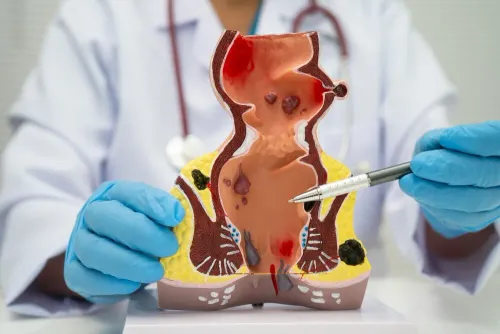
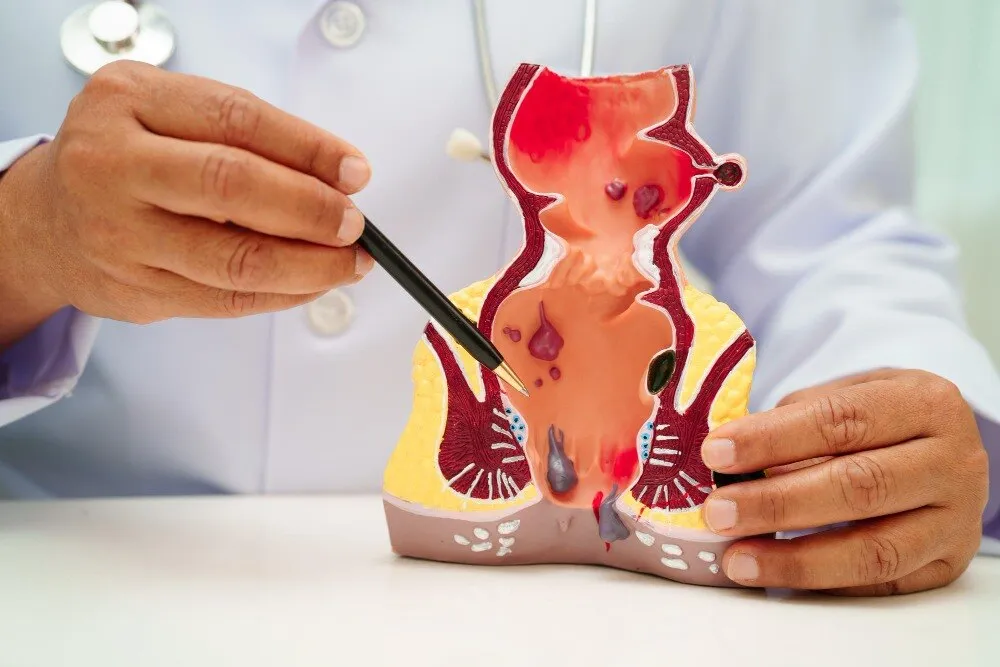
An anal fistula is a tunnel beneath the skin that can keep draining even after pain and swelling temporarily improve. By the end, you will know which symptoms need same-day attention, how clinicians confirm the tract, and what to compare before choosing treatment in Guindy.
Key takeaways
- Seek urgent care for severe pain, fever, swelling, or pus near the anus.
- MRI pelvis can reveal complex fistula branches missed during a surface examination.
- Treatment choice depends on tract position, sphincter involvement, and continence risk.
- Ask how recurrence, wound care, recovery time, and continence will be monitored.
What an anal fistula is and which symptoms need assessment
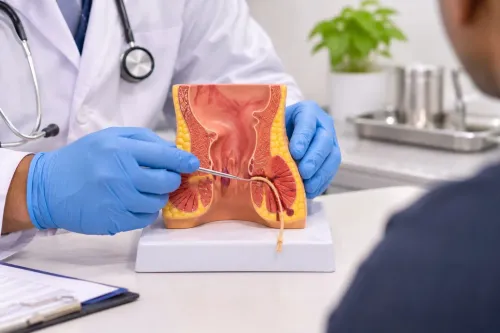
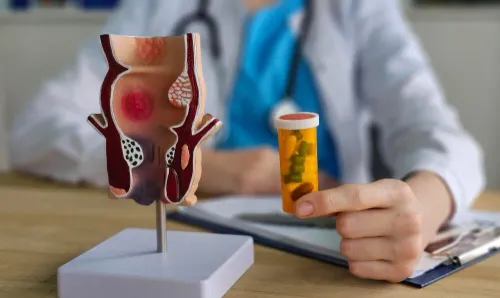
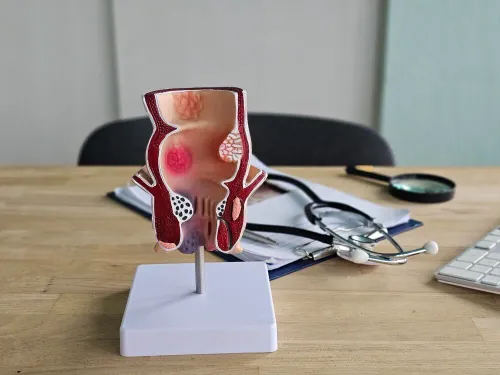
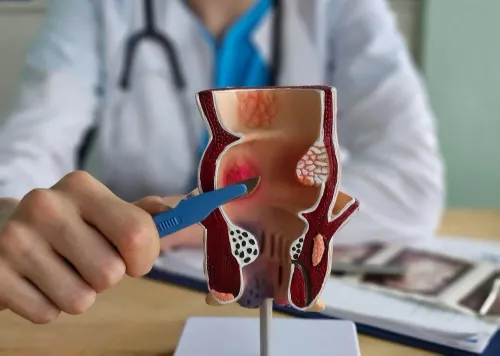
An anal fistula is an abnormal tunnel between the anal canal or rectum and the skin near the anus. This rectum and skin connection usually develops after an anorectal abscess.
The visible skin opening is only the exit; the internal opening may be inside the anal canal, and the tract can extend farther than the surface suggests.
Arrange a medical appointment if you have persistent pus or blood discharge, repeated swelling that bursts and drains, a new opening, recurrent pain, or symptoms that worsen after a procedure. Drainage can reduce pressure temporarily without curing the fistula. Do not repeatedly squeeze the area or rely on creams, home remedies or antibiotics alone.
| Symptom or finding | What it may indicate | Action |
|---|---|---|
| Persistent pus or blood discharge | Ongoing fistula or infection | Book a medical assessment |
| Recurrent lump that bursts and returns | Tract that continues to fill | Arrange prompt review |
| Painful, enlarging swelling | Possible abscess | Seek same-day assessment |
| Fever, chills, spreading redness or feeling faint | Infection requiring urgent evaluation | Seek same-day care |
| Difficulty sitting, passing stool or passing urine | Significant swelling or deeper infection | Obtain urgent medical assessment |
A painful lump with fever or rapidly increasing swelling needs same-day care because an abscess usually requires drainage; antibiotics alone do not replace drainage when pus has collected.
When a suspected abscess requires urgent care
Seek same-day medical assessment if you have a painful, swollen lump near the anus, particularly with fever and chills, rapidly increasing pain, or spreading redness. These signs can indicate an anal abscess, which usually needs drainage; antibiotics alone do not replace drainage when pus has collected.
| Sign | Why it matters | What to do |
|---|---|---|
| Fever, chills, or feeling faint | Infection may be spreading beyond the local area | Seek same-day care; go to emergency care if you feel acutely unwell |
| Rapidly increasing pain or swelling | Pressure from an enlarging abscess can worsen quickly | Arrange urgent examination |
| Spreading redness or warmth | Inflammation is extending through nearby skin | Do not wait for a routine appointment |
| Difficulty sitting, passing stool, or passing urine | Swelling may be obstructing or compressing nearby structures | Seek same-day assessment |
| Pus or blood from a new opening after swelling bursts | Drainage can relieve pressure without curing the underlying tunnel | Arrange reassessment rather than squeezing it |
A fistula that opens and drains can feel better for a while, but the infection may remain. Return promptly if pain, swelling, pus, bleeding, fever, or a new opening develops after a procedure or previous consultation.
Until assessed, avoid squeezing the lump or repeatedly applying creams and home remedies. Keep the area clean, use a clean absorbent pad for drainage, and tell the clinician how quickly symptoms changed.
How clinicians locate the tract and judge its complexity
Confirmation depends on finding the internal opening and mapping the tunnel, not simply inspecting the external opening. A clinician inspects the skin, performs a digital rectal examination and uses proctoscopy to examine the anal canal. Gentle probing or examination under anaesthesia can clarify the route when pain, scarring or drainage makes an office examination incomplete.
Pelvic MRI is particularly useful for recurrent, branching, horseshoe or clinically hidden fistulas because it can show secondary extensions and abscesses. An obvious, low, single-track fistula does not always need MRI.
The key treatment question is how much sphincter muscle the tract crosses: a low tract involving little muscle is often suitable for fistulotomy, while dividing muscle in a high tract can affect continence and make sphincter-preserving treatment safer.
Branches, a horseshoe extension, an undrained abscess or a previous failed procedure all increase the risk of incomplete healing. Multiple or recurrent fistulas, diarrhoea, abdominal pain, weight loss or poor healing also prompt assessment for Crohn’s disease; treatment then often combines drainage or sepsis control with gastroenterology-led medication.
Before consenting, ask:
- Is this fistula simple or complex?
- Where is the internal opening, and how much sphincter muscle does the tract involve?
- Do I need pelvic MRI or examination under anaesthesia?
- How many procedures or seton changes might be needed?
- What follow-up will confirm that the tract has healed?
Comparing fistulotomy, setons, LIFT, advancement flap and Kshara Sutra
The shortest operation is not automatically the safest choice. Compare procedures by fistula anatomy, sphincter involvement, healing time, wound care, recurrence and the chance of needing another intervention.
| Option | Healing, repeat treatment and recurrence | Wound care and continence trade-off |
|---|---|---|
| Fistulotomy | Often one operation for a simple, low tract; the open wound heals over weeks. Recurrence is lower when the entire tract is suitable for laying open. | Regular cleaning and dressings are needed. Dividing more sphincter muscle increases continence risk. |
| Loose seton | Keeps the tract draining and prevents another abscess, but is not necessarily a cure. A later procedure or seton change is common. | Ongoing drainage and skin care continue while it remains in place, with little deliberate muscle division. |
| Cutting seton | Tightens gradually through the tract, so treatment involves repeated reviews and a longer healing period. | It divides muscle over time; continence risk differs from a loose seton and must be explained. |
| LIFT procedure | Preserves sphincter muscle and avoids deliberate division. Healing rates vary, and repeat treatment is sometimes needed. | Wound care is usually limited, but failure can lead to another procedure. |
| Advancement flap | Covers the internal opening while preserving muscle; healing is variable and recurrence can require reoperation. | Protects continence better than extensive fistulotomy, but requires careful wound follow-up. |
| Kshara Sutra | The medicated thread is replaced periodically, often over an extended course. Evidence and recurrence estimates vary by technique and follow-up. | Expect drainage, discomfort and local care; ask how continence is assessed. |
Ask for outcomes in fistulas matching your anatomy, not a clinic’s overall percentage. Confirm the expected number of procedures, follow-up test or examination, and the plan if healing fails.
What to ask before choosing fistula care in Guindy
Before consenting, ask whether your fistula is simple or complex, how much sphincter muscle the tract crosses, and whether an MRI pelvis is needed. The answer should explain why Kshara Sutra, fistulotomy, a seton, or sphincter-preserving surgery fits your anatomy rather than relying on a standard package.
Ask these questions in the consultation:
- How many procedures, dressing visits, or Kshara Sutra thread changes should I expect, and over what period?
- What pain, drainage, bleeding, wound-care tasks, and time away from work are likely?
- What is my continence risk, and how will you assess previous bowel-control problems before treatment?
- What will fistula follow-up include: an examination, imaging, symptom review, or a defined healing milestone?
- What is the expected healing rate for fistulas like mine, and what happens if the tract remains open or an abscess returns?
- If the fistula is recurrent, multiple, or slow to heal, will you assess Crohn’s disease or involve a gastroenterologist?
At Dr.Dhananjayas Hospitals, ask specifically how the proposed Kshara Sutra schedule is decided for your tract and what alternative is offered if progress stops.
| Option | Clarify before choosing | Main trade-off |
|---|---|---|
| Kshara Sutra | Thread-change interval, total treatment time, failure plan | Gradual treatment with repeated visits and local wound care |
| Fistulotomy | Sphincter division and continence risk | Direct healing for selected low tracts; unsuitable muscle division can impair control |
| Seton or sphincter-preserving surgery | Whether it drains, cuts, or definitively closes the tract | Protects muscle in selected cases but may require staged treatment or repeat procedures |
Related service
Flstula Kshara Sutra FIstula Kshara sutra piles fistula fisher ( this is treditional based ayurvedic method) |
Frequently asked questions
What symptoms of an anal fistula need medical assessment?
Persistent drainage, recurrent swelling, pain, skin irritation, bleeding, or a small opening near the anus need assessment by a clinician.
When does a suspected anorectal abscess require urgent care?
Seek urgent care for severe or worsening pain, fever, chills, rapidly increasing swelling, spreading redness, or difficulty passing urine or stool.
How do clinicians locate an anal fistula tract?
They combine a physical examination with examination under anaesthesia and imaging such as MRI pelvis or endoanal ultrasound when needed.
How do fistulotomy, setons, LIFT, advancement flap, and Kshara Sutra differ?
Fistulotomy opens a suitable tract, while setons control drainage; LIFT and advancement flaps aim to preserve the sphincter, and Kshara Sutra uses a medicated thread to gradually treat the tract.
What should you ask before choosing fistula care in Guindy?
Ask about the fistula’s anatomy, proposed procedure, continence risk, recurrence risk, recovery, follow-up schedule, and the clinician’s experience with that treatment.