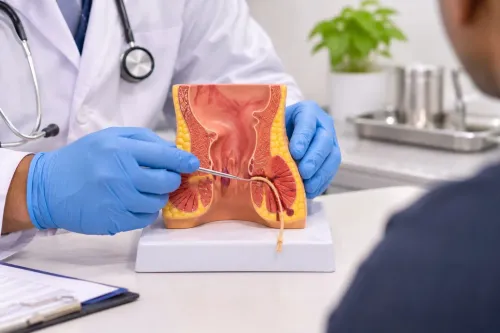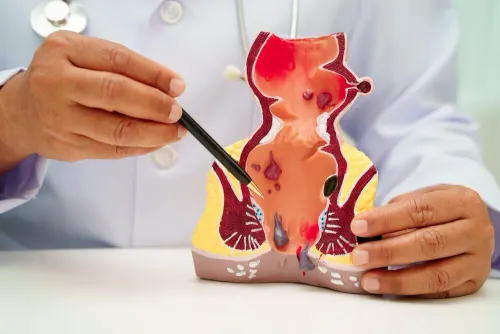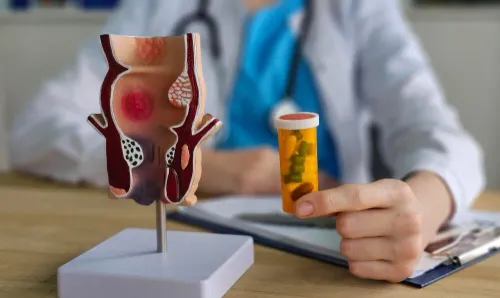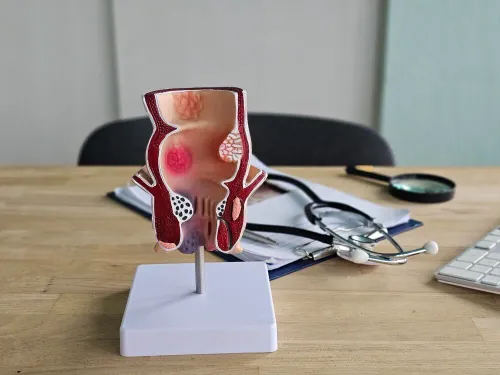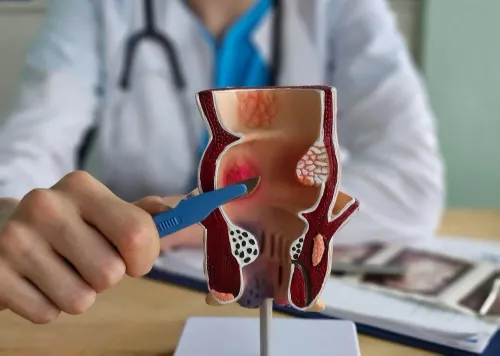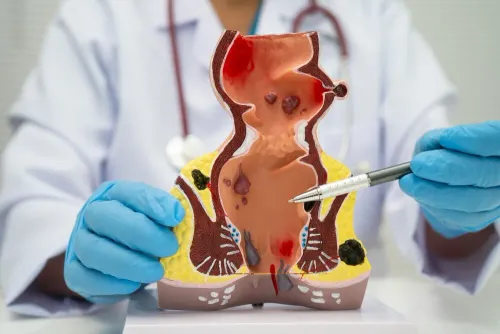
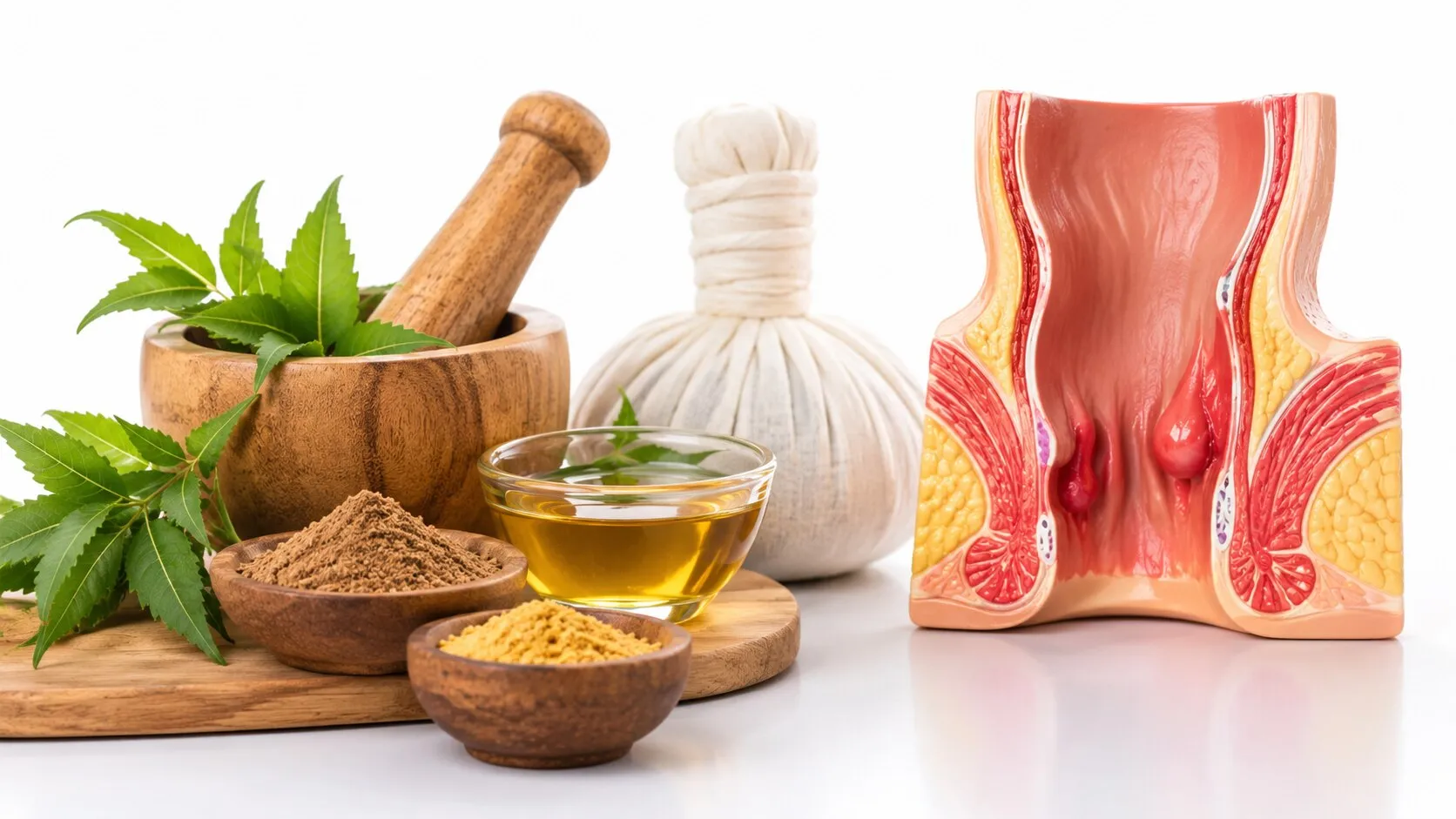
Bleeding, pain, itching or a lump around the anus does not identify the cause by itself. A useful consultation combines a detailed bowel history, a private examination and a clear explanation of which treatment fits the diagnosis, including when Kshara Sutra is not appropriate.
Key takeaways
- Bring prescriptions, reports, discharge summaries, and photographs of every medicine.
- List bleeding, pain, lump changes, bowel habits, and previous treatments accurately.
- Tell the clinician about warfarin, apixaban, aspirin, clopidogrel, supplements, and Ayurvedic preparations.
- Ask how your piles are classified and whether Kshara Sutra is relevant to your diagnosis.
What should you bring, and what happens after you arrive?
Bring a folder with previous prescriptions, scan reports, blood-test results, discharge summaries, and medication names or photographs of every medicine, supplement and Ayurvedic preparation you use. Include warfarin, apixaban, aspirin or clopidogrel, even if another doctor prescribed them.
Write down when symptoms began, whether they are worsening and how often they occur. Record constipation, diarrhoea, harder stools, straining, reduced bowel frequency, mucus or a new change in stool shape. Add any previous piles, fissure or fistula procedures and your pregnancy history.
- Registration: Staff usually confirm your contact details and reason for the visit.
- Symptom discussion: The clinician takes your medical history, including bleeding, pain, bowel habits and medicines.
- Assessment: An abdominal or anorectal examination is offered when indicated, rather than assuming every symptom is piles.
- Explanation: You receive the findings, treatment options and follow-up instructions.
For an Ayurvedic piles treatment consultation in Kodambakkam, ask for a private room and request a chaperone if you want one. Tell the clinician if you feel anxious, have severe pain or cannot tolerate an examination. Ask what will happen before each step, and pause the examination whenever you need to.
An Ayurvedic dosha assessment can supplement, not replace, an anatomical assessment.
Which questions will the clinician ask about your symptoms?
Expect specific questions about your rectal bleeding, not simply whether you have piles. Describe whether you see bright red blood on toilet paper or in the bowl, or dark, tarry stool; the latter needs prompt medical assessment.
- Does pain occur while passing stool, continue as pain after bowel movements, or appear without a bowel movement?
- Do you have itching and swelling, a lump, or a lump that comes out and returns by itself?
- Do you push the lump back in? Is there pus, watery discharge or staining of underwear?
- How often do you pass stool, and is it hard? Do you strain, feel urgency, sit on the toilet for a long time or use your phone there?
The clinician may also ask about weight loss, fever, tiredness, abdominal pain, altered bowel habits, and family history of bowel cancer or inflammatory bowel disease. Disclose pregnancy, previous anorectal procedures, and anticoagulant or antiplatelet medicines such as warfarin, apixaban, aspirin or clopidogrel.
| Symptom pattern | What it may suggest | What to do |
|---|---|---|
| Bright red blood | Bleeding near the anus, including hemorrhoids or fissure | Report amount and frequency |
| Dark, tarry stool | Possible bleeding higher in the digestive tract | Seek prompt medical assessment |
| Pus, watery discharge or fever | Fistula or perianal abscess | Request urgent assessment |
This history helps distinguish hemorrhoids from fissure, fistula, abscess, rectal prolapse, inflammatory bowel disease and other causes. Colonoscopy is not automatic, but unexplained bleeding, overdue colorectal-cancer screening or findings that do not explain the bleeding can justify referral.
What examination might be offered, and when can it be postponed?
The examination usually begins with external inspection. Lying on your side with your knees drawn up, the clinician inspects the skin and anal opening for an external hemorrhoid, fissure, irritation, fistula opening, discharge, swelling or prolapse.
A digital rectal examination uses a gloved, lubricated finger inserted gently into the anal canal. It checks tenderness, a mass, muscle tone and blood. Tell the clinician if pain becomes too strong.
Anoscopy and proctoscopy use a short, lubricated instrument to inspect the anal canal and lower rectum. The clinician should explain the instrument, obtain your consent, use draping and provide a chaperone if you request one.
An internal examination can be postponed when:
- Severe acute pain makes examination intolerable.
- You cannot tolerate the examination despite explanation and gentle assessment.
- A perianal abscess is suspected and urgent assessment must come first.
- A hot, rapidly enlarging or very tender lump, fever, spreading redness or escalating pain is present.
These abscess symptoms need prompt care because a drainable abscess generally requires drainage; a thread or medicines alone will not replace drainage.
For a suspected complex fistula, pelvic MRI or endoanal ultrasound may map the tract and show how it relates to the sphincter. Ask what was examined, what remains uncertain and whether further imaging or specialist review is needed.
How are piles classified, and when is Kshara Sutra relevant?
Ask the clinician to identify whether you have internal piles, external piles or a combination. Internal hemorrhoids arise inside the anal canal. External hemorrhoids sit under the skin at the anal opening and can become acutely painful when a clot forms.
1. Confirm the internal prolapse grades I to IV. Grade I does not prolapse. Grade II comes out during straining but returns by itself. Grade III requires manual replacement. Grade IV remains prolapsed and cannot be pushed back.
2. Ask which findings shape treatment: bleeding, pain, prolapse, the grade, and your response to bowel-management measures such as softer stools and less straining. These findings also help distinguish hemorrhoids from fissure, fistula, abscess or rectal prolapse.
3. Clarify the Kshara Sutra relevance before agreeing to treatment. Kshara Sutra is principally a medicated seton for an anal fistula, not a universal treatment for piles symptoms or a synonym for a one-session laser procedure.
The clinician must confirm the fistula, locate its external and internal openings, and assess how much sphincter muscle the tract crosses.
4. Ask whether a recurrent, branching or high fistula needs pelvic MRI, endoanal ultrasound or colorectal-surgical input. Also ask how often the thread will be changed, who will change it, how pain and wound hygiene will be managed, and what happens if it dislodges or healing fails.
An Ayurvedic assessment of diet, bowel habits and dosha can add context, but it cannot replace anatomical diagnosis.
What should the treatment plan and safety advice include?
Leave with a written diagnosis or working diagnosis, the reason for each proposed treatment, the expected review date and clear bowel care instructions. If no clinician has attempted to establish the cause of bleeding or pain, do not treat “piles” as a settled diagnosis.
For uncomplicated hemorrhoids, the initial plan often targets constipation or diarrhoea:
- Ask for a specific daily fibre target, fluid guidance, and instructions to avoid straining and prolonged toilet sitting.
- Ask for every medicine’s dose, timing and duration, including creams, laxatives and pain relief.
- If the Ayurvedic treatment plan includes a herbal or mineral product, ask for its full ingredient list, quality checks and required monitoring.
- Disclose every prescription, supplement, herbal and mineral product you use. “Natural” does not prove safety or prevent medicine interactions.
A consultation at Dr.Dhananjayas Hospitals should let you ask whether the proposed care matches the examination findings, whether referral is needed and what happens next if symptoms fail to improve. Ask who manages follow-up in Kodambakkam and whom you should contact outside clinic hours.
Seek urgent reassessment for heavy or persistent bleeding, fainting, fever, worsening anal pain, spreading redness or swelling, inability to pass urine or new faecal incontinence. These symptoms can signal more than an uncomplicated piles flare. The written plan should state where to go and who to call.
Frequently asked questions
What should I bring to an Ayurvedic piles consultation in Kodambakkam?
Bring previous prescriptions, scan reports, blood-test results, discharge summaries, and the names or photographs of every medicine, supplement, and Ayurvedic preparation you use. Include warfarin, apixaban, aspirin, or clopidogrel.
Which questions will the clinician ask about piles symptoms?
Expect questions about bleeding, pain, itching, swelling, a lump, discharge, bowel habits, constipation, straining, symptom duration, previous treatment, and changes in severity.
What examination might be offered during the consultation?
The clinician may inspect the area and offer a digital rectal examination or anoscopy to identify the cause and extent of symptoms. Ask why each examination is needed and what it involves.
When can a piles examination be postponed?
Discuss postponement if you have severe pain, heavy bleeding, faintness, an acute injury, or another condition that makes examination unsafe or intolerable. The clinician should decide when and how to reschedule it.
How are piles classified, and when is Kshara Sutra relevant?
Internal piles are commonly classified from grade I to grade IV according to whether tissue prolapses and returns on its own. Kshara Sutra is a specialised Ayurvedic thread-based treatment discussed for selected anorectal conditions after diagnosis, rather than assumed for every piles case.