A hospital visit for bleeding, swelling or prolapse begins with questions and an examination, not an automatic operation. You will know what to bring, what the clinician checks, how piles are distinguished from other conditions, and how treatment and follow-up are decided before you leave.
Key takeaways
- Bring your medicines, reports, ID, allergy details and a list of symptoms.
- A physical examination may include inspection, a digital rectal exam and anoscopy.
- Bleeding needs assessment because fissures, polyps and bowel disease can mimic piles.
- Treatment depends on whether haemorrhoids are internal or external and their grade.
What should you bring and what happens at registration?
Registration starts with your contact details, a symptom history and a review of your medical background. Bring:
1. Previous scan, endoscopy, blood-test and treatment records; a written list of every medicine and dose, especially aspirin, warfarin, apixaban or another anticoagulant; allergy details; and information about bowel disease or previous anorectal procedures.
2. Notes on bleeding: when it began, how often it occurs, whether it is bright red or dark, and whether it appears on toilet paper, coats the stool or drips into the toilet. Record bowel frequency, stool hardness, diarrhoea, straining and time spent sitting on the toilet.
3. A symptom list covering pain, itching, swelling, a lump, mucus and tissue coming out during bowel movements. State whether the tissue returns by itself or needs to be pushed back. Mention weight loss, fatigue, fever, pus and black, tarry stools.
The clinician will ask how long symptoms have lasted and whether they are worsening. Do not stop an anticoagulant or blood thinner unless the prescribing doctor instructs you. Wear clothing that allows easy changing, and ask about examination arrangements when booking.
This preparation makes what happens during piles for treatment in Porur more efficient and helps prevent an important symptom being missed.
What does the physical examination feel like?
The examination starts with an explanation: you undress only as much as needed in private, then lie on your side with your knees drawn up or bend forward over the examination couch. A sheet covers the rest of your body.
1. The clinician inspects the skin around the anus for an external haemorrhoid, fissure, rash, swelling, discharge, skin tag or prolapsed tissue. Inspection usually causes little or no discomfort.
2. During a digital rectal examination, a gloved, lubricated finger enters the anal canal gently to assess tenderness, muscle tone, a lump, blood or another abnormality. Tell the clinician if pain is sharp or severe so the examination can stop.
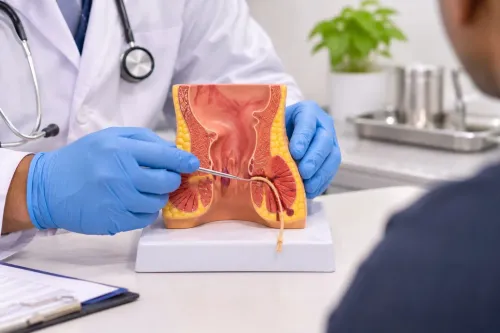
3. For anoscopy, a short lubricated tube with a light enters the anus a small distance. It shows internal haemorrhoids, bleeding points and the lower rectal lining. Pressure or an urge to pass stool is normal, but the tube should not be forced through severe pain.
Ask what each step is for, request a chaperone and mention any previous painful examination. Routine piles treatment at a piles hospital in Porur does not usually require bowel preparation or fasting. Follow the hospital’s instructions if another investigation is planned.
How does the hospital confirm that bleeding is from piles?
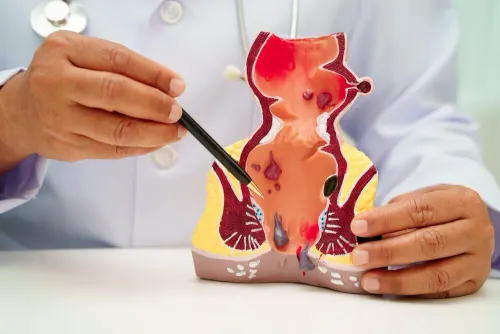
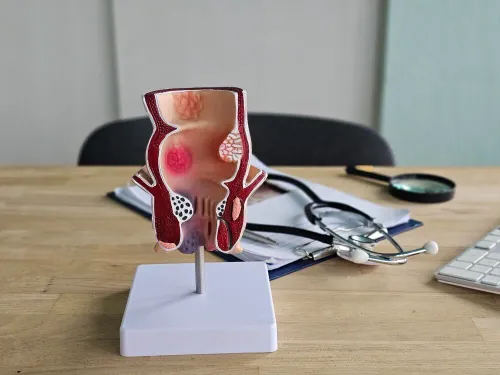
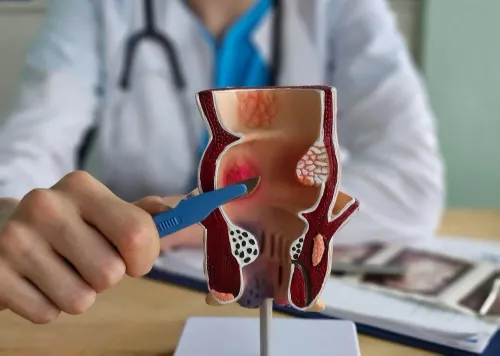
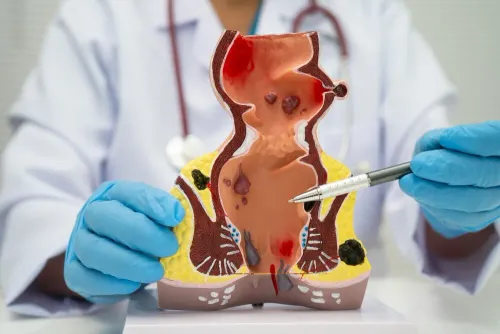
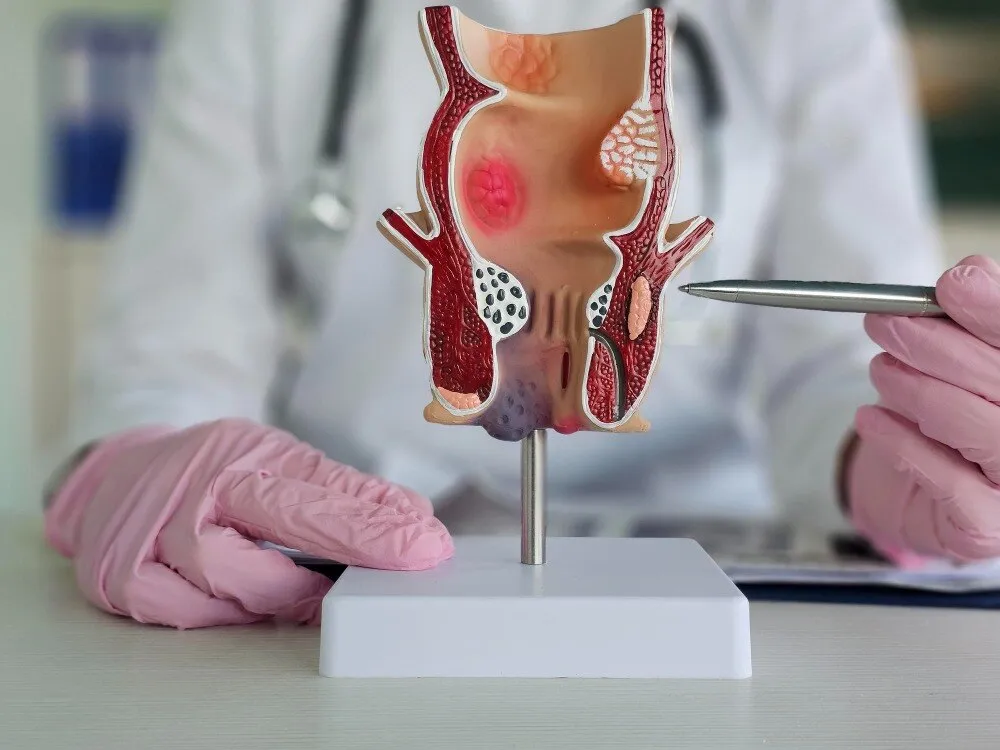
Bleeding is attributed to piles only after the clinician combines your symptom history, inspection, digital rectal examination and, when indicated, anoscopy. Internal haemorrhoids are swollen vascular cushions inside the anal canal; external haemorrhoids lie under the skin at the anal opening.
Bright-red blood with little pain can fit internal haemorrhoids, but it does not prove them.
The examination also looks for other causes. A sharp tearing pain during or after stool raises concern for an anal fissure. A recurrent opening, pus or staining can indicate a fistula. Fever, constant throbbing pain and a tender, rapidly enlarging lump require assessment for an abscess.
Tissue that remains outside, rather than appearing only during straining, can suggest rectal prolapse. Polyps, inflammatory bowel disease, diverticular bleeding and colorectal cancer also need consideration.
Persistent or recurrent bleeding, anaemia, weight loss, altered bowel habit, a family history of colorectal cancer or other risk factors may lead to sigmoidoscopy or colonoscopy. Colonoscopy is not automatic for every patient with visible haemorrhoids, but haemorrhoids must not dismiss unexplained bleeding.
Seek prompt assessment instead of waiting for routine hospital treatment for piles if you have:
- Heavy or continuous bleeding
- Dizziness, fainting or black stools
- Fever, pus, severe pain or a tender swelling
Good piles care in Chennai starts with confirming the source of bleeding.
How do haemorrhoid type and grade change the treatment plan?
The examination establishes whether the problem is internal, external or another condition, then the clinician assesses prolapse. Grade often changes the treatment plan more than symptom intensity alone.
- Grade I internal haemorrhoids stay inside the anal canal and do not prolapse.
- Grade II come out during straining but return without help.
- Grade III prolapse during straining and require manual replacement.
- Grade IV remain prolapsed and cannot be pushed back.
Mild bleeding or grade I and II disease usually starts with fibre-rich food or a fibre supplement, adequate fluids, constipation treatment, avoiding straining and limiting toilet sitting. Improvement can take several days.
If internal haemorrhoids continue to bleed, outpatient treatment may include rubber-band ligation, sclerotherapy or infrared coagulation. Rubber-band ligation treats internal haemorrhoids, not external ones; pressure or an urge to pass stool can follow, but severe pain after banding requires urgent contact with the treating service.
Large, recurrent, grade III or IV, or treatment-resistant haemorrhoids may prompt discussion of haemorrhoidectomy or a stapled procedure. Haemorrhoidectomy is effective but usually causes more postoperative pain and recovery time than office treatment. Stapled procedures may cause less early pain but have different recurrence and complication considerations.
For piles treatment in Porur, ask why the proposed option matches your grade. Severe persistent pain, fever, pus, rapidly increasing swelling, heavy bleeding, dizziness or fainting needs urgent assessment rather than routine treatment.
What happens when you choose a hospital treatment pathway in Porur?
A hospital pathway for piles treatment in Porur usually begins with consent, not an operation. The clinician explains the confirmed diagnosis, treatment options, expected benefit, discomfort, recovery time, cost estimate and alternatives before you agree. Examination and office procedures are often day-care visits rather than overnight admissions.
| Pathway | What happens | Usual stay |
|---|---|---|
| Office procedure | Rubber-band ligation, sclerotherapy or infrared coagulation through an anoscope, followed by observation and home instructions | Same day |
| Operation | Operating theatre, anaesthesia, postoperative monitoring and a planned review | Depends on the procedure, bleeding risk, other illnesses and recovery |
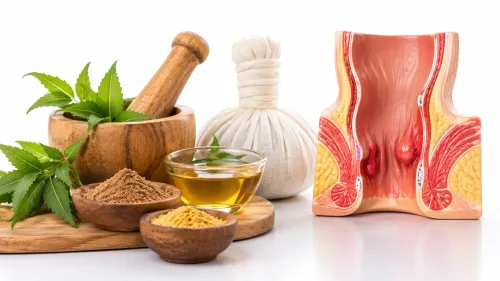
At an Ayurvedic anorectal clinic such as Dr.Dhananjayas Hospitals, ask how the proposed treatment matches the confirmed diagnosis. Ksharakarma and Ksharasutra are different interventions; Ksharasutra is primarily described as a medicated seton for fistula-in-ano, not a universal treatment for bleeding or prolapsing haemorrhoids.
A clear explanation helps you compare a piles hospital in Porur with non-surgical, office-based and surgical options.
Before consenting, ask:
- Is the diagnosis haemorrhoid, fissure or fistula?
- What does the procedure do, what anaesthesia is used and how many visits are expected?
- How will wounds be cared for, what evidence supports it and what happens if symptoms persist?
Related service
PILES PILES Hemorrhoids or Piles as is generally known is a very common disease. |
What happens after discharge and when should you return?
Before discharge, ask for written instructions naming every medicine, dressing or sitz-bath recommendation, diet and activity restriction, plus the date or trigger for review.
1. Keep stools soft with the prescribed fibre, fluids and constipation treatment. Avoid straining and prolonged toilet sitting.
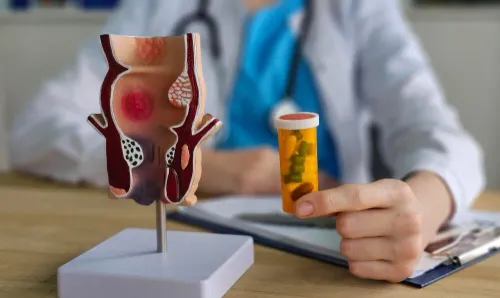
2. Clean gently with water or the soft method recommended by the clinician. Do not scrub the treated area. Take prescribed analgesics as directed; if you take warfarin, apixaban or another anticoagulant, ask before adding any pain medicine.
3. A small amount of bleeding can follow some procedures. Contact the treating service if bleeding increases, pain becomes severe, fever or pus develops, urination becomes difficult, or swelling rapidly worsens.
4. Go for urgent assessment if bleeding is heavy or continuous, you feel dizzy or faint, or stools become black and tarry.
5. Attend follow-up to confirm healing, check whether bleeding or prolapse has stopped, and decide whether constipation treatment must continue. Good piles care in Chennai includes this documented plan, not only the procedure. If symptoms recur, return for reassessment instead of repeating treatment without confirming the diagnosis.
Frequently asked questions
What should I bring to a piles hospital in Porur?
Bring your identification, previous medical reports, current medicines, allergy information and a clear record of bleeding, pain, swelling and bowel changes.
What does a piles examination feel like?
The clinician first inspects the area, then may perform a digital rectal examination and anoscopy. You may feel pressure or brief discomfort, so tell the clinician if you have pain.
How does a hospital confirm that bleeding is from piles?
The clinician takes a symptom history and examines the anal canal. Anoscopy or further tests help distinguish piles from fissures, polyps, infection and other causes of rectal bleeding.
How do haemorrhoid type and grade affect treatment?
Internal and external haemorrhoids require different approaches. Internal haemorrhoids are graded from 1 to 4, and the grade, bleeding, prolapse and pain guide the treatment plan.
When should I return after piles treatment?
Follow the discharge instructions and return for the scheduled review. Seek urgent care for heavy bleeding, fever, worsening pain, inability to pass urine or a rapidly increasing swelling.
Keywords