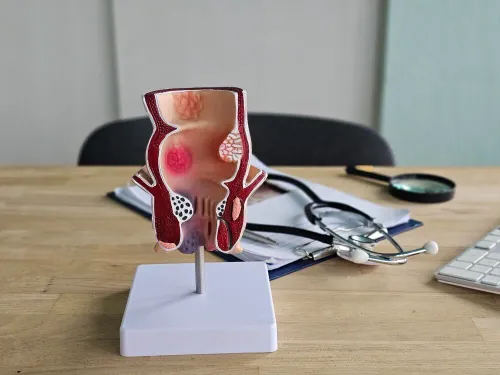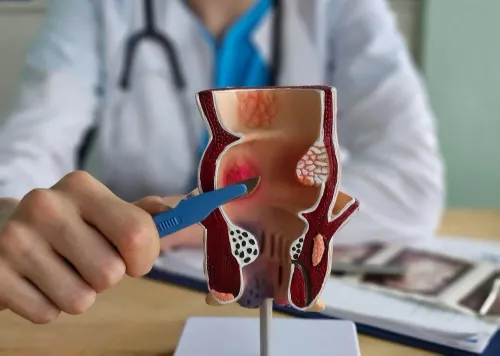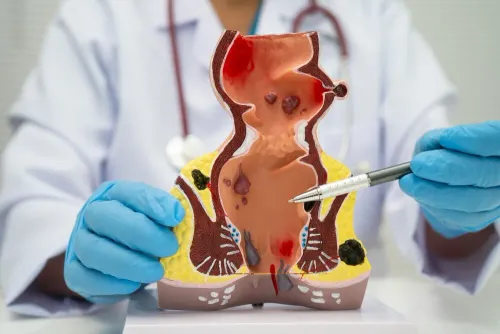
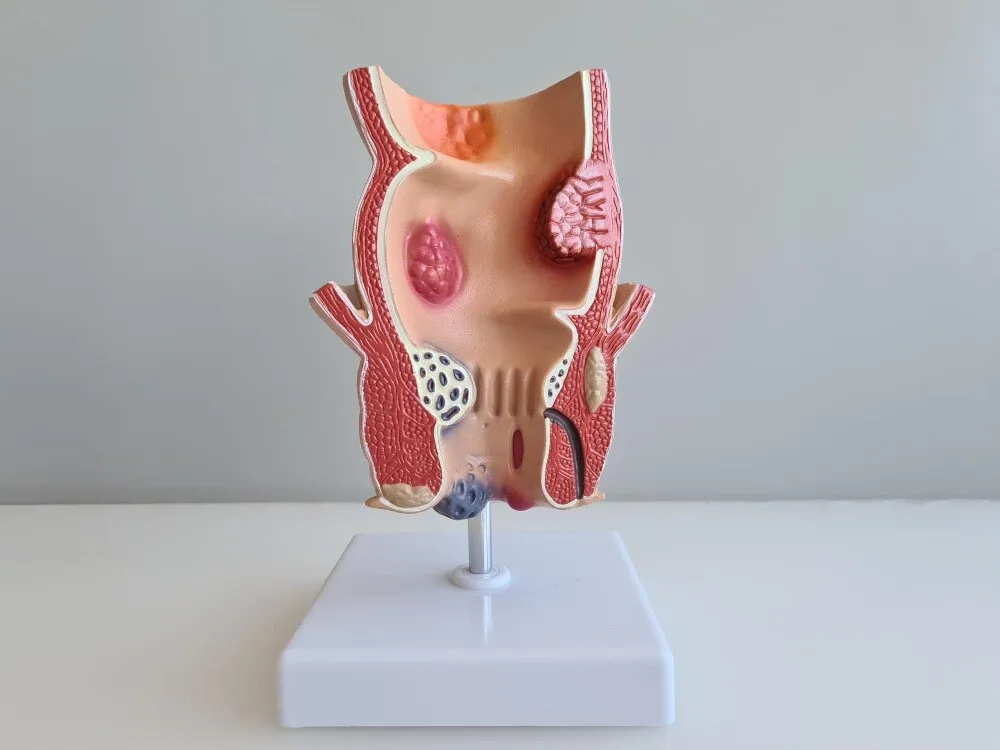
Rectal bleeding, pain or a lump does not automatically mean that you have haemorrhoids, and a cream that eases symptoms may leave the underlying problem unchanged. You will be able to identify the warning signs, understand how piles are graded, compare treatments by recovery and recurrence, and prepare specific questions for a Chennai consultation.
Key takeaways
- Confirm bleeding is from haemorrhoids, not a fissure or another condition.
- Use examination findings and haemorrhoid grade to choose treatment.
- Try fibre, fluids and bowel-habit changes when conservative care fits.
- Compare procedures by pain, recurrence risk and time away from work.
Check whether your symptoms are actually piles
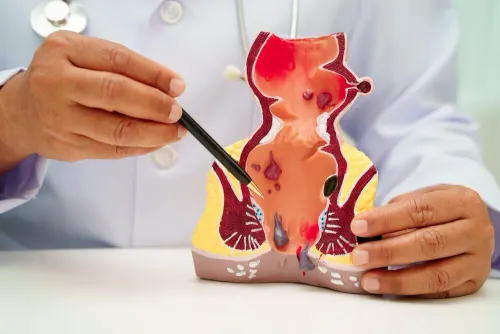
Do not choose a piles treatment until the bleeding pattern and pain source fit haemorrhoids. “Piles” means haemorrhoids, but rectal bleeding causes include an anal fissure, fistula, inflammatory bowel disease, polyps and colorectal cancer. A clinician confirms the likely cause through your history, external inspection, digital rectal examination and anoscopy.
| Pattern | More consistent with | What it means |
|---|---|---|
| Bright-red blood on toilet paper or dripping after a bowel movement, without severe pain | Internal haemorrhoid | Grade I bleeds without prolapse; Grade II prolapses with straining and returns by itself |
| Sharp, tearing pain during and after passing a hard stool | Anal fissure | Anal fissure symptoms usually centre on intense pain, not a painless lump |
| Persistent pus, wetness, an external opening or repeated swelling | Anal fistula | An abnormal tunnel needs assessment; it is not ordinary piles |
| Sudden, very tender lump at the anal edge | Thrombosed external haemorrhoid | Early examination matters because treatment differs from internal piles |
| Constant throbbing pain, redness, warmth, fever or swelling | Perianal abscess symptoms | Infection needs prompt treatment; antibiotics alone do not drain an abscess |
Seek urgent assessment for heavy bleeding, black stools, dizziness, fainting, fever, pus or a painful swelling. Arrange medical review rather than self-treatment if you have weight loss, anaemia, changed bowel habits, older age or a family history of colorectal cancer; colonoscopy or other tests may then be needed.
Use the examination and haemorrhoid grade to guide the decision
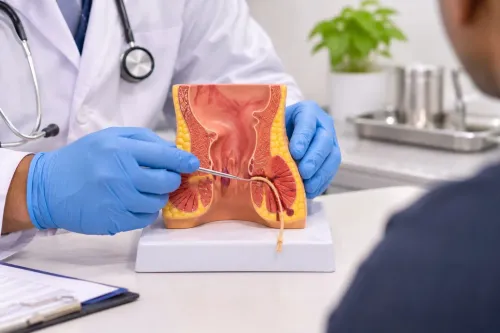
A clinician confirms haemorrhoids through your symptom history, inspection of the anus, a digital rectal examination and, when appropriate, anoscopy. This assessment distinguishes internal and external haemorrhoids and checks for a fissure, fistula, abscess, mass or another bleeding source.
Colonoscopy for rectal bleeding is considered when bleeding is unexplained, recurrent, mixed with altered bowel habits, or your age and family history increase bowel-disease risk.
| Grade | What it means | How it guides treatment |
|---|---|---|
| Grade I | Bleeding occurs without prolapse | Fibre, fluids and stool regulation often come first; persistent bleeding may suit an office procedure. |
| Grade II | Tissue prolapses during straining but returns on its own | Rubber-band ligation, sclerotherapy or infrared coagulation may be appropriate; banding is commonly used. |
| Grade III | Prolapsed tissue needs manual replacement | Selected cases can receive banding, but recurrent or bulky prolapse often leads to surgical discussion. |
| Grade IV | Prolapsed tissue cannot be pushed back | Excisional haemorrhoidectomy is more often considered, especially when symptoms are substantial. |
The grade applies to internal prolapse, not every lump around the anus. A substantial external component, thrombosis, persistent pain or failed office treatment can change the plan; excisional surgery removes troublesome tissue more definitively but causes more pain and recovery time than office treatment.
Creams may ease itching or irritation, but they do not correct prolapse.
Know when conservative care or an office procedure is enough
Start with conservative care when bleeding or discomfort comes from uncomplicated, low-grade haemorrhoids without persistent prolapse, severe pain or a large external swelling. Give it several weeks of consistent bowel management rather than judging it after two days.
- Aim for 20–30 g fibre daily from vegetables, fruit, pulses, whole grains or a fibre supplement, and drink enough fluid to keep stools soft. Add stool-softening measures when constipation persists, avoid straining, and leave the toilet when you finish rather than sitting and scrolling.
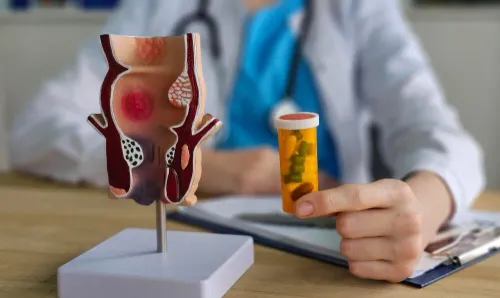
- Use topical haemorrhoid medicines for short-term itching, irritation or soreness. They ease symptoms but do not correct prolapse, and prolonged steroid-containing products can damage the skin.
- Ask about an office procedure when bleeding continues despite regulated stools, or when internal haemorrhoids prolapse and return on their own. Sclerotherapy and infrared coagulation suit selected small, bleeding Grade I or II haemorrhoids; rubber-band ligation treats many Grade I and II cases and selected Grade III cases. Banding can require repeat sessions.
- Do not treat a sharp, tearing pain after bowel movements as piles without reassessment; an anal fissure needs different treatment. A suddenly painful lump at the anal margin can be a thrombosed external haemorrhoid, where early assessment determines whether excision, analgesia, stool-softening measures or observation fits best.
Office procedures usually mean less pain and quicker recovery than excisional surgery, but recurrence or further treatment remains possible. Persistent Grade III or Grade IV prolapse, substantial external disease or failed office care needs a surgical discussion.
Compare surgery by pain, recurrence and time away from work
Grade III haemorrhoids need manual reduction; Grade IV haemorrhoids remain outside and cannot be pushed back. If bleeding or prolapse continues after fibre, stool regulation, medicines or office treatment, compare the procedure’s trade-offs rather than choosing only by short-term comfort.
| Option | Pain and recovery | Recurrence and best fit |
|---|---|---|
| Non-operative care or rubber-band ligation | Usually the least pain and shortest time away from work; repeat banding can be needed | Does not correct fixed Grade IV prolapse. Banding suits many Grade I–II cases and selected Grade III haemorrhoids |
| Stapled haemorrhoidopexy | Usually less early pain and a quicker return than excisional surgery | Lifts selected prolapsing internal tissue but does not remove external haemorrhoids; long-term recurrence or recurrent prolapse can be higher |
| Excisional haemorrhoidectomy | More postoperative pain and a longer recovery, so expect more time away from work | More definitive removal for troublesome Grade III or Grade IV disease, a large external component, or failed earlier treatment |
Treat creams and suppositories as symptom relief, not a repair for prolapse. Prolonged corticosteroid use can damage the local skin.
Your work matters: a desk job, driving, lifting and access to a toilet create different recovery demands. Ask the surgeon for an expected return-to-work range, pain-control plan and the chance of needing repeat treatment. If Grade IV haemorrhoids include severe pain, fever, heavy bleeding or urinary difficulty, seek urgent assessment rather than scheduling routine treatment.
Ask questions that reveal whether the treatment plan fits you
A suitable plan should answer your practical questions before you consent, not just name a procedure. Use these piles treatment consultation questions to test whether the recommendation matches your diagnosis, work demands and ability to attend follow-up.
- How was the diagnosis confirmed, and do I need external inspection, digital examination, anoscopy or another test?
- What alternatives fit my grade and symptoms, including medicines, an office procedure, surgery or observation?
- How many patients with this condition and proposed procedure have you treated, and how do you manage complications?
- Is Kshara Sutra for fistula appropriate in my case, and how was the tunnel’s relationship to the anal sphincter assessed?
- If you recommend Kshara Sutra, how often will the thread be changed, how long might treatment take, what pain control is available, and what happens if it fails?
- How long will pain, bleeding, wound care and work restrictions last, and which recovery symptoms are abnormal?
- How many visits will the complete plan require, including examinations, thread changes, dressings and review?
- What is my treatment recurrence risk, and which bowel, diet or toilet habits reduce it?
- Whom do I contact outside clinic hours for severe pain, fever, heavy bleeding or urine difficulty, and what is your emergency referral pathway?
Dr.Dhananjayas Hospitals should explain when its anorectal team can manage you and when anaesthesia, pathology or hospital-based emergency care is safer. Get the answers in writing.
Related services
PILES PILES Hemorrhoids or Piles as is generally known is a very common disease. |
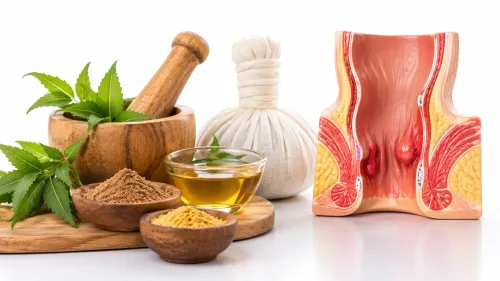
Flstula Kshara Sutra FIstula Kshara sutra piles fistula fisher ( this is treditional based ayurvedic method) |
Frequently asked questions
How do I know whether my symptoms are actually piles?
Bleeding can result from haemorrhoids, an anal fissure, fistula, inflammatory bowel disease, polyps or colorectal cancer. A clinician checks your history, performs an external inspection and digital rectal examination, and may use anoscopy.
How does haemorrhoid grade affect treatment choice?
Examination findings and haemorrhoid grade help determine whether conservative care, an office procedure or surgery is appropriate.
When is conservative care or an office procedure enough?
Conservative care can suit symptoms that improve with fibre, fluids and healthier bowel habits. An office procedure may suit haemorrhoids that persist or prolapse without requiring major surgery.
How should I compare piles surgery options?
Ask how each option affects postoperative pain, recurrence risk and the time you may need away from work.
What questions should I ask before choosing piles treatment?
Ask what is causing your symptoms, which haemorrhoid grade was found, why the recommended treatment fits, what recovery involves and what alternatives exist.
Related service
FISSURE FISSURE What Is An Anal Fissure?  This is a very common Ano rectal disease causing a lot of suffering to the patient. |