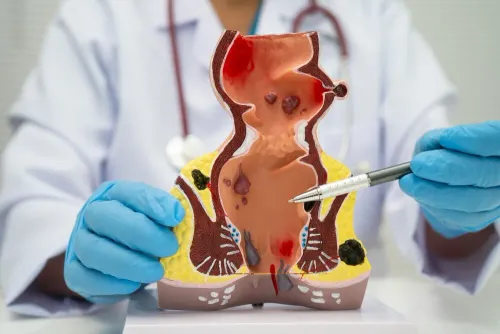

A fistula that came back after treatment may have a missed internal opening, an undrained abscess, a side branch or an underlying condition rather than a simple treatment failure. By the end, you will know which examinations determine whether Kshara Sutra is reasonable, which recurrent patterns need another approach, and what questions to ask before committing to care.
Key takeaways
- Confirm the fistula’s tract, openings and sphincter involvement before choosing treatment.
- Kshara Sutra fits selected tracts, not every recurrent or complex fistula.
- Ask how often the thread needs changing and how pain will be managed.
- Choose Chennai care with documented examination, follow-up and recurrence monitoring.
When can Kshara Sutra be considered after a fistula comes back?
Kshara Sutra can be considered for selected recurrent fistulas after surgery, earlier Kshara Sutra, seton placement or incomplete healing. A fistula came back after treatment does not prove that the same method is suitable.
Before choosing it, the clinician must establish:
- Whether the tract is low and accessible
- Whether the internal opening can be identified
- How much anal sphincter muscle the tract crosses
- Whether an abscess, side branch or secondary extension is present
Kshara Sutra uses a medicated thread passed through the fistula tract and replaced at planned intervals. It acts like a seton: the thread gradually divides or drains the tract while healing develops behind it. It is not simply an oral Ayurvedic medicine.
A high, branching or sphincter-involving recurrence needs particular caution. An undrained abscess requires drainage first, and an unlocated internal opening makes treatment planning unreliable. The clinician should also consider Crohn’s disease or another cause of persistent inflammation when the pattern is complex.
Recurrence after Kshara Sutra itself remains possible. Repeating it without reassessing the anatomy can delay effective treatment if a missed branch, horseshoe extension or persistent internal opening is responsible.
The defensible answer for someone searching kshara sutra for recurrent fistula in chennai is: sometimes, in carefully selected cases, after anatomical assessment. Ask what will happen if the tract fails to close, drainage continues or a new opening appears.
What must be checked before choosing a recurrent-fistula treatment?
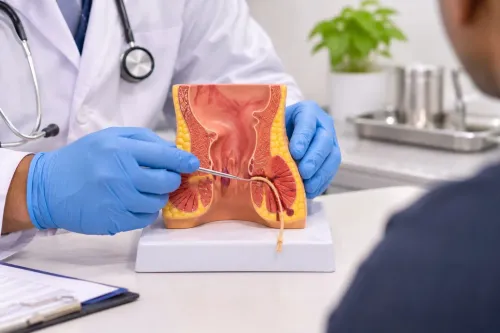
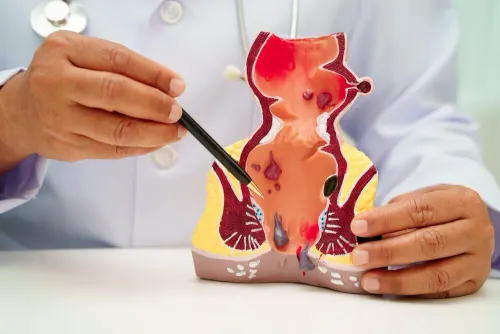
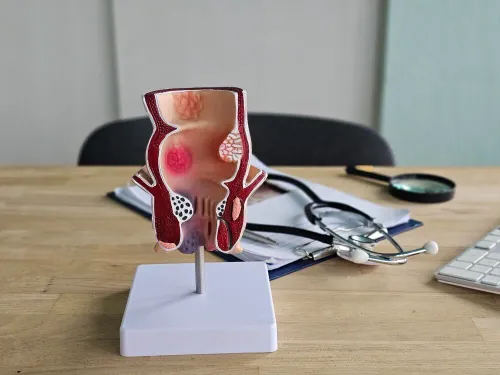
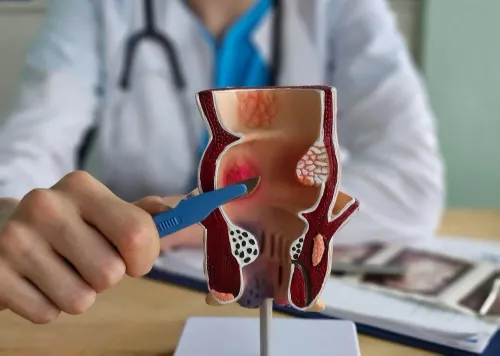
The cause and map of recurrence determine treatment more reliably than the name of the earlier procedure. If a fistula came back after treatment, examination starts with inspection for external openings, scars, discharge, swelling and multiple drainage points, followed by a digital rectal examination and proctoscopy when appropriate.
Ask whether the proposed diagnosis includes:
- A persistent internal opening
- An undrained abscess or inadequate drainage
- A missed side branch or horseshoe tract
- A high tract crossing important anal sphincter muscle
- Crohn’s disease, tuberculosis or another underlying condition
Pelvic MRI is particularly useful in recurrent or complex disease. It can show the primary tract, missed branches, horseshoe extensions, abscesses and the tract’s relationship to the anal sphincter.
| Test or examination | What it can reveal | Why it matters |
|---|---|---|
| Inspection | Openings, scars, discharge and swelling | Shows external signs of branching or ongoing infection |
| Digital examination and proctoscopy | Internal opening and anal-canal findings | Helps classify the tract and plan treatment |
| Pelvic MRI | Tracts, abscesses, extensions and sphincter involvement | Guides drainage and sphincter-preserving choices |
| Examination under anaesthesia | Hidden internal opening and tract direction | May be needed for definitive treatment |
Chronic diarrhoea, abdominal pain, weight loss, multiple fistulas or fissures warrant assessment for Crohn’s disease. Tuberculosis requires separate testing when the clinical picture supports it. Do not judge success by temporary closure of the external opening: persistent discharge, swelling, pain or a new opening needs reassessment. These checks should precede recurrent fistula treatment in Chennai.
Which recurrent fistula patterns make Kshara Sutra a poor fit?
A high, complex, branching, horseshoe or suprasphincteric recurrent fistula is a poor fit for treatment that cuts through substantial sphincter muscle, because continence problems can result. Fistulotomy is commonly considered for a simple, low tract crossing little muscle; recurrent anatomy often needs staged drainage or a sphincter-preserving procedure.
| Pattern or option | Main concern | Usual treatment direction |
|---|---|---|
| Simple, low tract | Crosses little sphincter muscle | Fistulotomy may be considered |
| High, branching, horseshoe or suprasphincteric tract | Greater continence risk and missed extensions | MRI-guided planning, staged drainage or sphincter-preserving surgery |
| Loose seton | Maintains drainage without immediate division | Ongoing drainage when definitive treatment must wait |
| Advancement flap or LIFT | Aims to preserve sphincter muscle | Selected according to the tract and sphincter anatomy |
Kshara Sutra is a poor choice when the internal opening cannot be located, an acute abscess has not been drained, major secondary branches remain, or Crohn’s disease is driving inflammation. A painful enlarging swelling, fever, spreading redness or difficulty urinating needs prompt assessment; drainage takes priority over elective Kshara Sutra or seton placement.
Antibiotics can support selected infections or Crohn’s disease, but they do not remove an epithelialised fistula tract. Published studies are small observational or comparative studies, not proof of a universal high-certainty cure rate. Check follow-up duration, fistula complexity and loss to follow-up behind any quoted percentage.
Choose ayurvedic recurrent fistula care or recurrent fistula treatment in chennai only after this anatomical assessment.
What does recurrent-fistula Kshara Sutra care involve day to day?
After the tract is mapped, the medicated thread is passed through the external and internal openings, secured, and reviewed at planned intervals. Thread changes and wound reviews require repeated outpatient visits; the interval depends on the treatment protocol, tract length, branching, and drainage. Expect drainage during treatment and local pain or irritation after a change.
Day to day, you may need dressings, careful washing after bowel movements, attention to stool consistency, and restrictions during painful periods. Pain and drainage can disrupt work, travel, and sleep. Healing is not a fixed short course: a long or branching tract takes longer than a short, low tract.
If your fistula came back after treatment, ask for this practical plan before choosing ayurvedic recurrent fistula care.
Ask:
- Who will change the thread, and where will each review take place?
- How will pain be treated after thread changes?
- Which symptoms require an urgent review, and how will an abscess be drained?
- What happens if the thread comes out or the fistula fails to heal?
| Situation | Why it matters | Planned response |
|---|---|---|
| Thread comes out | The tract may lose drainage or access | Contact the treating clinic rather than replacing it yourself |
| The external opening closes while discharge persists | Fluid may remain trapped, indicating an unresolved tract or abscess | Arrange prompt reassessment |
| Painful swelling, fever, spreading redness or difficulty urinating | These symptoms can signal an abscess | Seek urgent review for drainage |
| The fistula does not heal | Repeating the same method may miss a branch or internal opening | Re-map the tract and discuss other treatment options |
How should you choose recurrent fistula care in Chennai?
A sound choice for recurrent fistula treatment in Chennai starts with a written anatomical assessment, not the name of the previous procedure. Request the tract classification, internal opening, sphincter involvement, and a clear statement on whether pelvic MRI or examination under anaesthesia is needed.
Ask the clinician:
- Can you arrange prompt abscess drainage, colorectal or anorectal surgical review, and MRI if required?
- When indicated, will you evaluate Crohn’s disease and tuberculosis?
- Who will manage a painful swelling, fever, spreading redness or difficulty urinating?
- What happens if the fistula does not heal or develops another opening?
| Option | Healing aim | Continence risk | Visits, pain and work disruption | Recurrence plan |
|---|---|---|---|---|
| Kshara Sutra | Gradual tract drainage and healing | Depends on muscle crossed | Repeated thread changes; ongoing drainage and discomfort | Re-map the tract; change treatment if it fails |
| Fistulotomy | Open a simple, low tract to heal | Higher when substantial muscle is divided | Often fewer staged visits; wound pain and healing time | Reassess missed openings or branches |
| Seton | Maintain drainage or control a complex tract | Lower with a loose seton | Repeated reviews; drainage and prolonged care | Plan definitive surgery or continued drainage |
| Advancement flap or LIFT | Close the internal opening while preserving muscle | Designed to reduce muscle injury | Operative recovery and follow-up | Consider another sphincter-preserving option if recurrence occurs |
For people considering kshara sutra for recurrent fistula in chennai, Dr.Dhananjayas Hospitals can contribute when it provides a documented assessment, explains the method’s limits and maintains referral arrangements for imaging, anaesthesia, drainage or sphincter-preserving surgery. Choose ayurvedic recurrent fistula care for diagnosis and follow-up, never for a fixed cure promise or an unchanged repeat procedure.
Related service
Flstula Kshara Sutra piles fistula fisher ( this is treditional based ayurvedic method) View service → |
Frequently asked questions
Can Kshara Sutra treat a fistula that has recurred?
It can be considered for selected recurrent fistulas after surgery, earlier Kshara Sutra, seton placement or incomplete healing. Suitability depends on the tract and sphincter anatomy.
What must be checked before choosing recurrent-fistula treatment?
A clinician should identify the external and internal openings, map the tract, assess abscess, branching and sphincter involvement, and review previous treatment records.
When is Kshara Sutra a poor fit for a recurrent fistula?
It may be unsuitable when there is an untreated abscess, multiple branching tracts, severe infection, substantial sphincter involvement or anatomy that has not been clearly mapped.
What does recurrent-fistula Kshara Sutra care involve?
Care involves scheduled thread changes, wound cleaning, bowel-management advice, pain and infection monitoring, and follow-up until the tract has healed.
Keywords