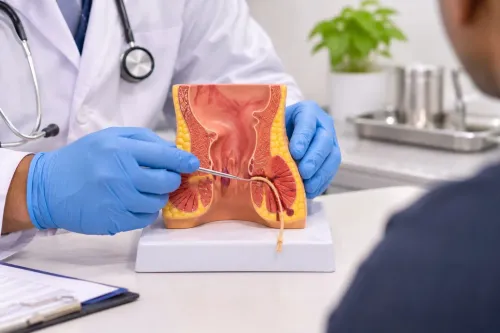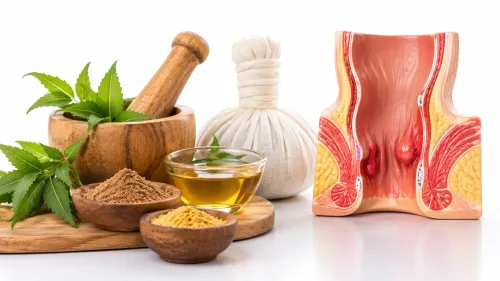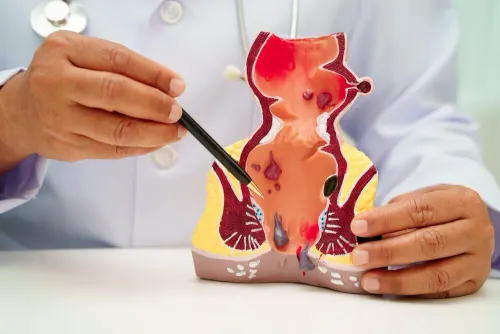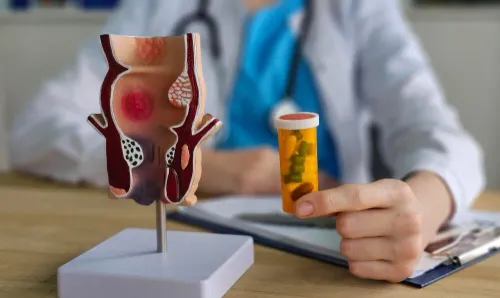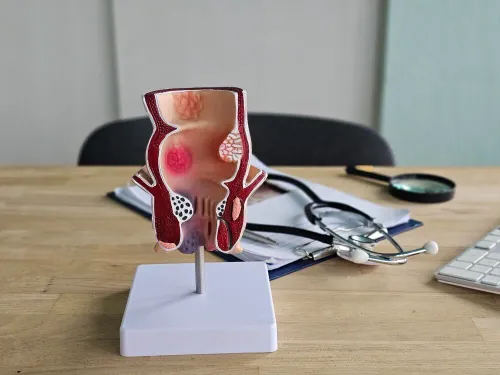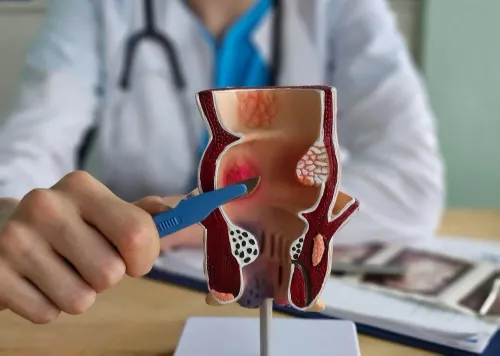

A fistula doctor should identify the internal opening, map the tract and protect the anal sphincter rather than treat only the visible skin opening. By comparing examination standards, imaging decisions, treatment options and follow-up plans, you can judge which consultation in Pallavaram is medically thorough and suitable for your condition.
Key takeaways
- Confirm the tunnel’s course and sphincter involvement, not just the external opening.
- Check colorectal experience, examination facilities and access to imaging before booking.
- Ask whether MRI, ultrasound or examination under anaesthesia is necessary.
- Choose treatment based on fistula anatomy, continence risk and recovery demands.
What should a proper fistula diagnosis establish?
A proper anal fistula diagnosis in Pallavaram must establish the tunnel’s source, course and relationship to the anal sphincter—not just identify a skin opening. The clinician should distinguish fistula versus fissure, hemorrhoid, fistula or abscess, hidradenitis suppurativa and an infected skin cyst.
- Take a symptom history: ask about previous abscess drainage, recurrent swelling, pus or blood, pain during bowel movements, fever, and periods when the opening closes and reappears.
- Inspect the anus and surrounding skin for an external opening, scars, redness, multiple openings, discharge and signs of hidradenitis or a cyst. A closed opening does not prove healing; trapped infection can cause renewed swelling or discharge.
- Perform a digital rectal examination for fistula when appropriate, feeling for tenderness, an internal opening, induration or a deeper abscess. Anoscopy can show the anal canal and help locate the internal opening.
- Map whether the tract is single or branching, whether an abscess is present, and how much sphincter muscle it crosses. Recurrent, high or uncertain disease may need pelvic MRI with a fistula protocol or examination under anaesthesia.
An acute perianal abscess needs prompt drainage. Antibiotics alone do not empty the pus cavity or reliably prevent a fistula; they are added for cellulitis, systemic infection or selected medical risks.
Multiple fistulas, chronic diarrhoea, abdominal pain, weight loss or other systemic symptoms require assessment for Crohn’s disease, which can change treatment from repeated local procedures to combined medical and surgical care.
Which qualifications and facilities should you check before booking?
Before booking, check the doctor’s fistula surgeon qualifications, not just the clinic name or procedure advertised. Look for colorectal, anorectal or general surgical training, the number of years treating anal fistulas, and specific experience with recurrent fistula and disease that has already undergone surgery.
Ask these questions:
- Is the doctor listed in the National Medical Commission’s Indian Medical Register? Record the registration details during your Indian Medical Register doctor verification.
- Does the facility provide anoscopy, MRI or ultrasound referrals, operating-room access and emergency abscess drainage?
- Who gives anaesthesia, manages bleeding or infection, and handles complications?
- Does the doctor document sphincter involvement, assess continence and schedule wound and recurrence reviews?
- If considering Kshara Sutra, is the practitioner separately listed with recognised Ayurveda registration, and who manages imaging and surgical emergencies?
Compare providers on the plan they can show you, not testimonials or branding.
| Check | What to verify | Why it matters |
|---|---|---|
| Training | Colorectal, anorectal or general surgical background | Fistula treatment requires knowledge of sphincter anatomy |
| Experience | Years treating fistulas, including recurrent cases | Previous operations can create branching or altered tracts |
| Facilities | Anoscopy, imaging referral, anaesthesia and operating access | A visible opening may hide an abscess or secondary tract |
| Follow-up | Named reviews for healing, recurrence and urgent symptoms | Problems often appear after the procedure |
A guaranteed one-session cure is a warning sign because treatment depends on tract anatomy. Kshara Sutra is not automatically the right choice for every fistula. The best fistula doctor in Pallavaram should explain alternatives, expected healing time, continence risk and what happens if the first treatment fails.
When should you ask for MRI, ultrasound or examination under anaesthesia?
A visible opening and a routine office examination are insufficient when the fistula keeps returning, the anatomy is unclear, or pain prevents reliable examination. Ask about an MRI pelvis fistula protocol for recurrent, high, branching or previously operated fistulas. It can reveal an occult abscess or secondary tract behind a normal-looking skin opening.
Endoanal ultrasound fistula imaging can add detail about the tract and anal sphincter. An examination under anaesthesia fistula assessment allows more complete probing and mapping when pain, complex anatomy or an inconclusive office examination blocks a dependable diagnosis.
Ask these questions before agreeing to treatment:
- Where is the internal opening, and has it been identified directly or only inferred?
- Is the fistula simple or complex, and what does the imaging show?
- Does the tract cross the anal sphincter, and how much muscle is involved?
- Is an abscess or a secondary branch present?
- What is my continence risk, and how will you measure it before treatment?
- How will the proposed procedure protect the sphincter?
- If the first procedure fails or the fistula returns, what is the next plan?
The documented fistula sphincter involvement should match the proposed treatment. A doctor who recommends an immediate procedure without explaining the internal opening, imaging need, continence risk and failure plan has not given you enough information to make a safe decision.
Which treatment option fits the fistula’s anatomy and your circumstances?
A low tract crossing only limited sphincter muscle often suits fistulotomy: the tract is opened and allowed to heal from the base. Dividing more muscle raises continence risk, so fistulotomy versus seton is an anatomy decision, not a preference.
| Option | What it means | When it fits |
|---|---|---|
| Fistulotomy | Opens the tract | Simple, low fistula with limited muscle involvement |
| Loose seton | Drains and controls the tract | Abscess risk, staged treatment or ongoing drainage |
| Cutting seton | Gradually divides tissue | Selected cases only; carries meaningful continence risk |
| LIFT fistula treatment | Closes the tract between sphincter layers | Selected sphincter-involving tracts |
| Advancement flap fistula repair | Covers the internal opening with tissue | Selected complex tracts where muscle preservation matters |
| Kshara Sutra | A medicated thread is passed through the tract and replaced periodically | Gradual cutting, drainage and healing under repeated review |
Kshara Sutra is not a loose seton and is not fistulotomy. Ask exactly how often the thread changes, the expected treatment duration, wound-care steps, pain plan, travel limits, work disruption and review appointments. Published results vary by thread protocol, patient selection and follow-up, so ask for expected healing, recurrence, pain and continence outcomes.
Poor fits include:
- An undrained abscess or severe infection requiring prompt drainage and medical management.
- Complex branching disease without reliable tract mapping.
- Inability to attend repeated reviews for thread changes, wound checks or staged treatment.
A qualified clinician must examine you, assess sphincter anatomy and continence, and explain why the chosen method fits your tract and circumstances.
How can you compare fistula consultations in Pallavaram safely?
Treat fistula doctor consultation Pallavaram search results as leads, not proof. Compare each provider’s written plan for sphincter anatomy, continence assessment, imaging, treatment alternatives and fistula treatment follow-up.
Ask these questions before agreeing to treatment:
- What is the exact diagnosis, where is the internal opening, and does the tract cross the sphincter?
- Is the fistula simple or complex, and do I need MRI pelvis with a fistula protocol or examination under anaesthesia?
- How will you check continence before treatment, and what risk does this option carry?
- Why choose fistulotomy, seton, LIFT, advancement flap, Kshara Sutra or another method?
- When will you review wound healing, and what is your plan for fistula recurrence prevention?
- What happens if the fistula returns, and who handles fever or renewed swelling urgently?
- If Crohn’s disease is suspected, can you arrange appropriate gastroenterology referral?
Use this comparison:
| Evidence to compare | Strong answer | Warning sign |
|---|---|---|
| Anatomy | Sphincter involvement is documented | “One method suits everyone” |
| Follow-up | Dates or intervals are stated for wound and recurrence review | Return only if problems occur |
| Failure plan | A clear next step is explained | Guaranteed one-session cure |
| Urgent care | A named service handles fever or swelling | No after-hours instructions |
At Dr.Dhananjayas Hospitals, ask who will examine you, what diagnosis is documented, which facilities are available, why Kshara Sutra or surgery was selected, and how often Kshara Sutra follow-up is required. Choose the plan that fits your anatomy, continence risk, travel and ability to attend reviews.
Related service
Flstula Kshara Sutra FIstula Kshara sutra piles fistula fisher ( this is treditional based ayurvedic method) |
Frequently asked questions
What should a proper anal fistula diagnosis establish?
It should identify the internal opening, tunnel course, branches, abscesses and relationship to the anal sphincter. The clinician should also rule out fissure, hemorrhoid, hidradenitis suppurativa and an infected skin cyst.
Which qualifications and facilities should you check before booking?
Check the doctor’s training in colorectal, general or anorectal surgery, experience treating fistulas, examination facilities and access to imaging, anaesthesia and follow-up care.
When should you ask for MRI, ultrasound or examination under anaesthesia?
Ask about MRI when the fistula is recurrent, complex, branching or difficult to map clinically. Endoanal ultrasound can assess sphincter involvement, while examination under anaesthesia helps when pain prevents a complete examination.
Which treatment option fits the fistula’s anatomy and your circumstances?
Treatment depends on the fistula’s location, sphincter involvement, branches, recurrence and continence risk. Options can include fistulotomy, seton placement, LIFT, advancement flap or Kshara Sutra, where clinically appropriate.
How can you compare fistula consultations in Pallavaram safely?
Compare how clearly each doctor explains the anatomy, diagnostic plan, treatment alternatives, risks, recovery, fees and follow-up. Seek urgent care for fever, worsening swelling, severe pain or difficulty passing urine.